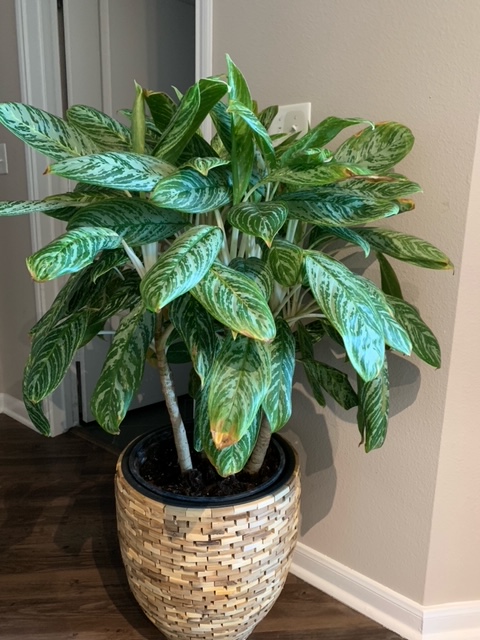
Improve your well-being this month. Surround yourself with plants.
Just walking into a space with plants instantly makes you feel more relaxed. That’s no accident. Plants quietly boost our well-being in so many ways—cleaner air, lower stress, better focus, even faster healing in some cases. Just having greenery around can shift the mood, like nature’s own therapy. Whether it’s a lush fiddle leaf in the corner or a few trailing pothos on a shelf, they bring life and balance. It’s like a deep breath for your space and your soul.
A popular plants to add benefits to workspaces is the ZZ.
ZZ plants are popular and easy care, especially if you let us do the work for you. We offer full plant care with highly-trained technicians to care for your plants weekly. If you choose to DIY, ZZ plants are very forgiving. They need little care and attention to thrive.
Environmental benefits of a ZZ Plant
- ZZ plants (Zamioculcas zamiifolia) are known for their ability to improve air quality by removing toxins like xylene, toluene, and benzene. They absorb these pollutants through their leaves and root systems, contributing to a healthier indoor environment.
- ZZ plants can act as natural humidifiers by releasing moisture vapor into the air, which can be beneficial for skin and respiratory comfort.
- Low Stress care. Known for its low maintenance requirements, it thrives in a variety of lighting conditions and only needs watering every couple of weeks. This resilience makes it an ideal choice for individuals with little time to care for their plants.
How do plant clean the air we breathe.
Plants clean the air through a process known as photosynthesis. Here’s a general overview of how it works:
Absorption of Gases: Plants absorb gases through the tiny pores on the surface of their leaves, stems, and roots. These gases include carbon dioxide (CO2), volatile organic compounds (VOCs), and other potentially harmful pollutants found in the air.
Photosynthesis: Once inside the plant, carbon dioxide is used in the process of photosynthesis. During photosynthesis, plants absorb sunlight and use it to convert carbon dioxide and water into glucose (a type of sugar) and oxygen. The glucose is used for growth and energy, while the oxygen is released back into the air.
Release of Oxygen: The oxygen produced during photosynthesis is released back into the air, effectively replacing the harmful carbon dioxide the plant initially absorbed.
Microorganisms: Some plants also host microorganisms in their soil that can help to break down harmful pollutants, like benzene and formaldehyde, into safer substances.
Transpiration: Plants also improve indoor air quality through a process called transpiration. During transpiration, water absorbed by the plant’s roots is evaporated into the air through the leaves. This process can help to increase humidity levels in dry environments, which can improve respiratory health.
If you want to know more about the benefits of interior plants read Embracing Green Living : The Enchanting Benefits of Houseplant.
Located at 7311 Ardmore St. Houston, TX 77054.
We are open to the public Mon-Fri from 8a-3:30p.
Share this:
- Click to print (Opens in new window) Print
- Click to email a link to a friend (Opens in new window) Email
- Click to share on X (Opens in new window) X
- Click to share on Facebook (Opens in new window) Facebook
- Click to share on LinkedIn (Opens in new window) LinkedIn
- Click to share on Pinterest (Opens in new window) Pinterest
- More